Aging well isn’t only about how you move during the day; it’s also about how your body rests at night. One of the most overlooked factors in long-term comfort, mobility, and wellness is sleep posture.
The way you position your body while sleeping affects spinal alignment, muscle recovery, and how well your body repairs itself over time. In this Sleep Journal entry, we’ll explore how sleep posture connects to spine health and why it plays a meaningful role in aging well.
Why Sleep Posture Matters More Than You Think
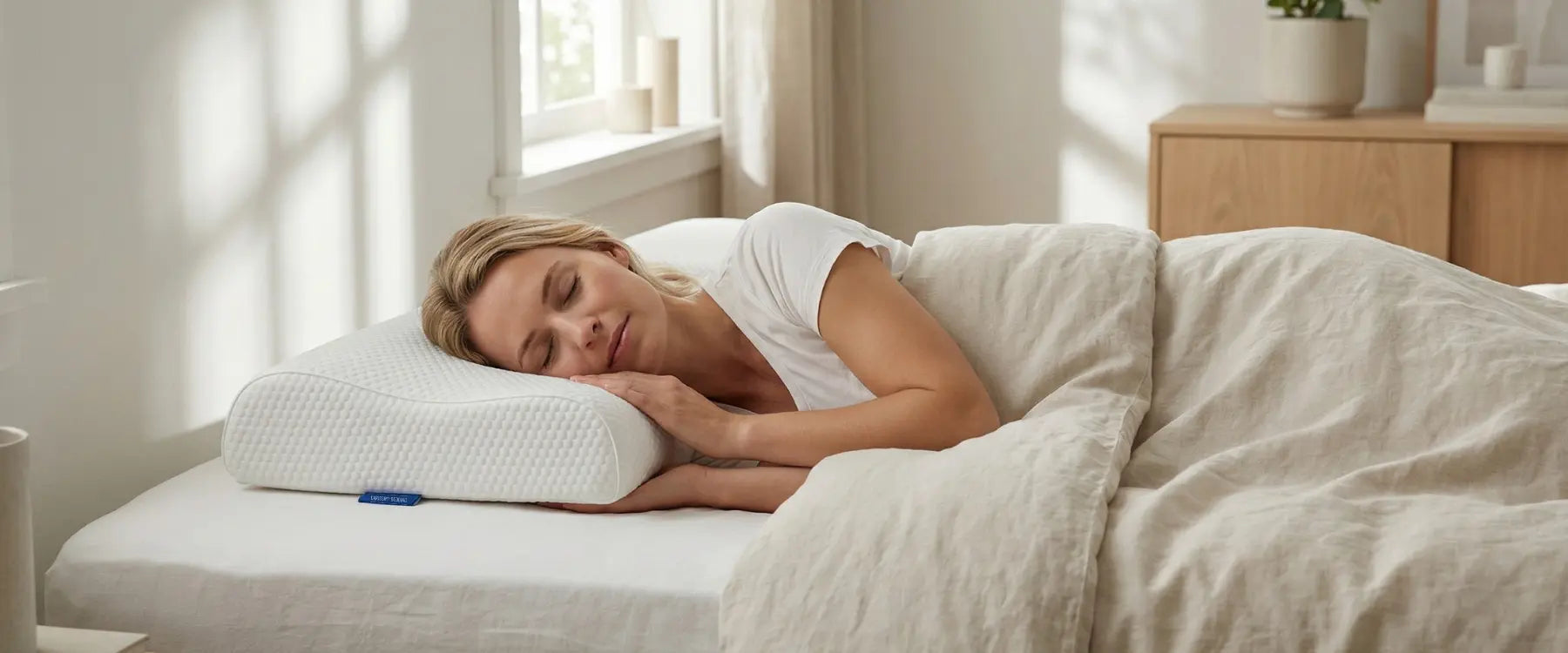
Sleep posture refers to how your head, neck, spine, and shoulders are aligned while you sleep; not just which side you lie on.
Poor posture during sleep can:
-
Place uneven pressure on the spine
-
Keep muscles engaged instead of relaxed
-
Interrupt deep, restorative sleep
As discussed in earlier Sleep Journal articles about choosing the right pillow and avoiding neck pain, alignment is a foundation of quality sleep and long-term comfort.
How the Spine Recovers During Sleep
Throughout the day, gravity compresses the spine. Sitting, standing, and moving all place stress on spinal discs and joints.
During sleep:
-
The spine naturally decompresses
-
Muscles release accumulated tension
-
Discs rehydrate and recover
Proper sleep posture allows this recovery to happen fully. Poor posture can limit these benefits and contribute to stiffness over time.
The Relationship Between Sleep Posture and Spine Health
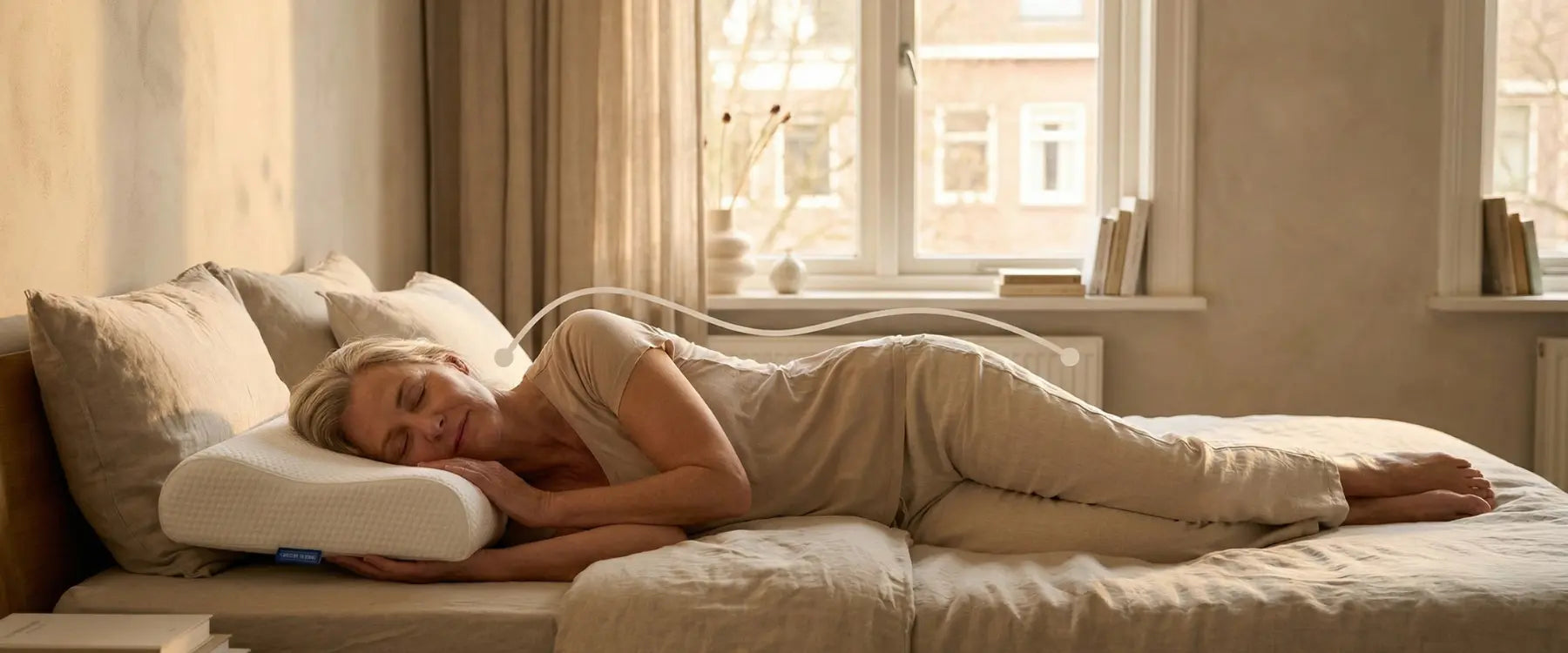
Your spine is designed to maintain natural curves; especially in the neck and lower back. When sleep posture supports these curves:
-
Joint stress is reduced
-
Muscles can fully relax
-
Movement feels easier upon waking
When posture is unsupported, the spine may remain twisted or bent for hours, increasing strain night after night.
How Poor Sleep Posture Affects Aging
Small stresses add up over time. Chronic misalignment during sleep may contribute to:
-
Persistent neck and back discomfort
-
Reduced flexibility
-
Slower physical recovery
-
Disrupted sleep patterns
Aging well isn’t about avoiding change; it’s about supporting the body so it can adapt comfortably and remain resilient.
The Role of Pillows in Healthy Sleep Posture
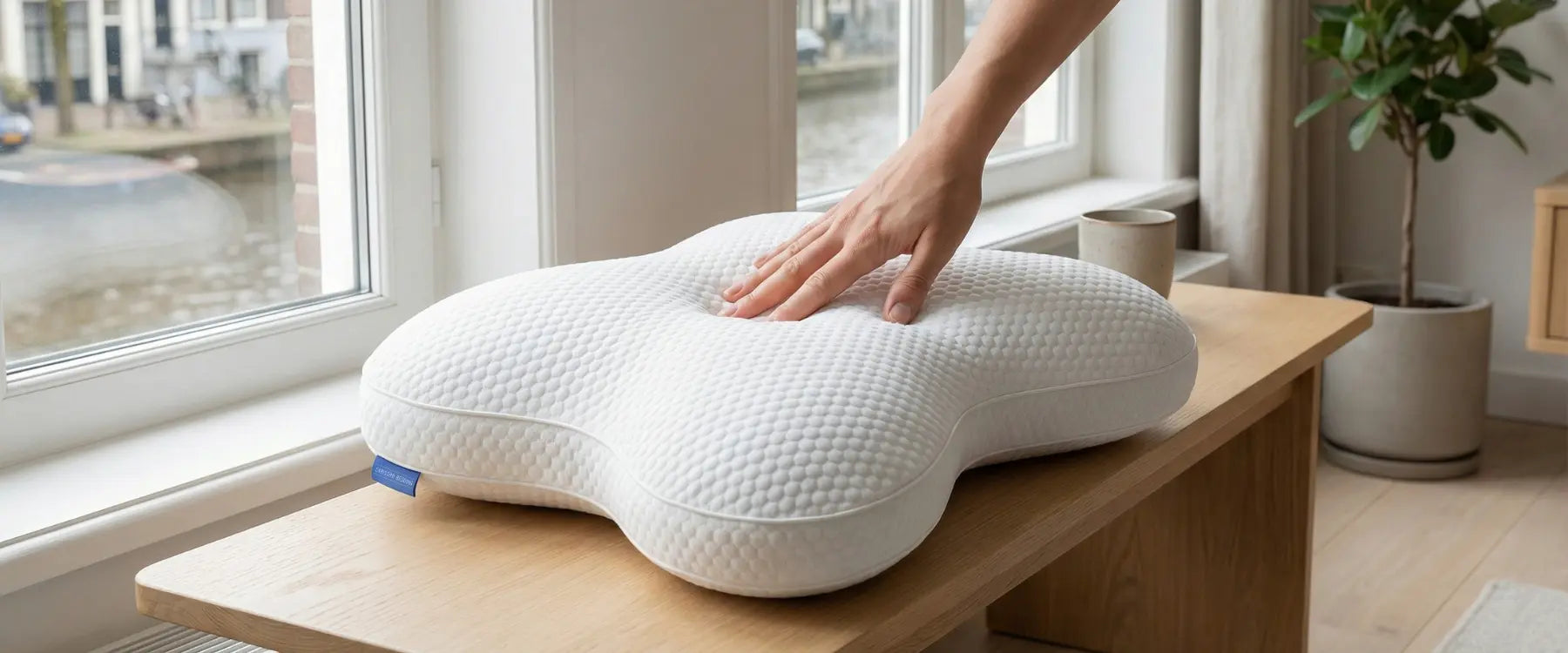
A pillow plays a central role in maintaining healthy sleep posture by supporting the head and neck.
A supportive pillow should:
-
Keep the head aligned with the spine
-
Maintain consistent support throughout the night
-
Match your sleep position
As explored in previous Sleep Journal entries, pillows that lose shape or don’t match sleep position often disrupt posture without people realizing it.
Choosing Pillow Support for Long-Term Comfort
Different sleep positions require different types of support.
-
Side sleepers often need more height to keep the spine straight
-
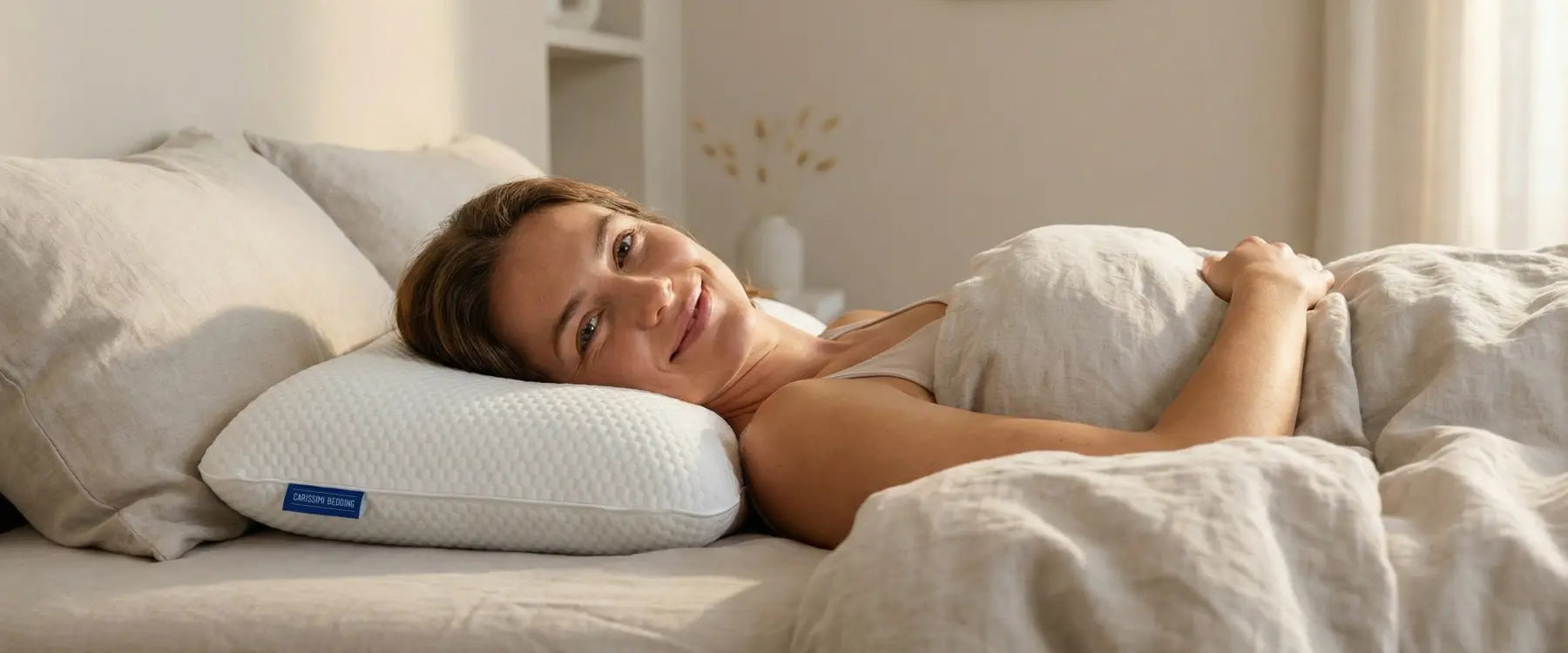
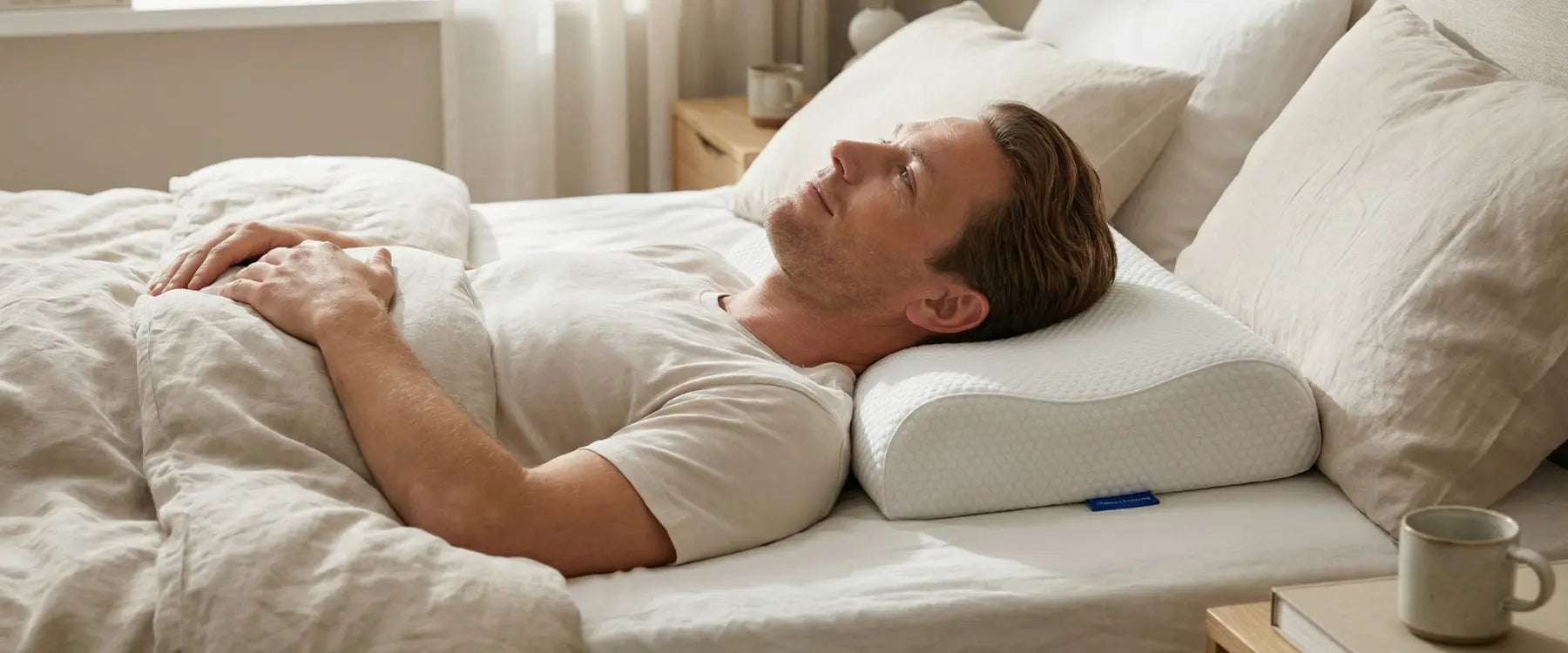
Back sleepers benefit from support that follows the natural neck curve
-
Stomach sleepers usually need a lower-profile pillow to reduce strain
Pillows like the Carissimi Classic Pillow and Carissimi Original Pillow are designed with alignment and consistency in mind, helping support posture over time without forcing the body into unnatural positions.
Why Consistent Sleep Posture Supports Longevity
Sleep is when the body performs essential maintenance. When posture and support are consistent:
-
Muscles recover more efficiently
-
Inflammation is better managed
-
Energy levels improve
-
Sleep becomes deeper and less interrupted
As discussed in our article on sleep, spine health, and longevity, better rest compounds into long-term wellness benefits.
Don’t Ignore Posture Outside the Bedroom
Sleep posture isn’t only about nighttime. Travel, commuting, and extended sitting can all affect spinal alignment.
Using supportive tools like the Carissimi Travel Mate Pillow can help maintain healthier posture during flights or long journeys, reducing strain that carries into sleep.
Common Questions About Sleep Posture and Aging
Can sleep posture really affect aging?
Yes. Over time, consistent poor posture can contribute to discomfort, stiffness, and reduced mobility, while proper support encourages healthier recovery.
What is the best sleep posture for spine health?
The best posture is one that keeps the spine in a neutral position and feels comfortable throughout the night.
How do I know if my sleep posture is poor?
Frequent stiffness, discomfort, or waking up feeling unrested can be signs that posture and support need improvement.
Can changing my pillow improve sleep posture?
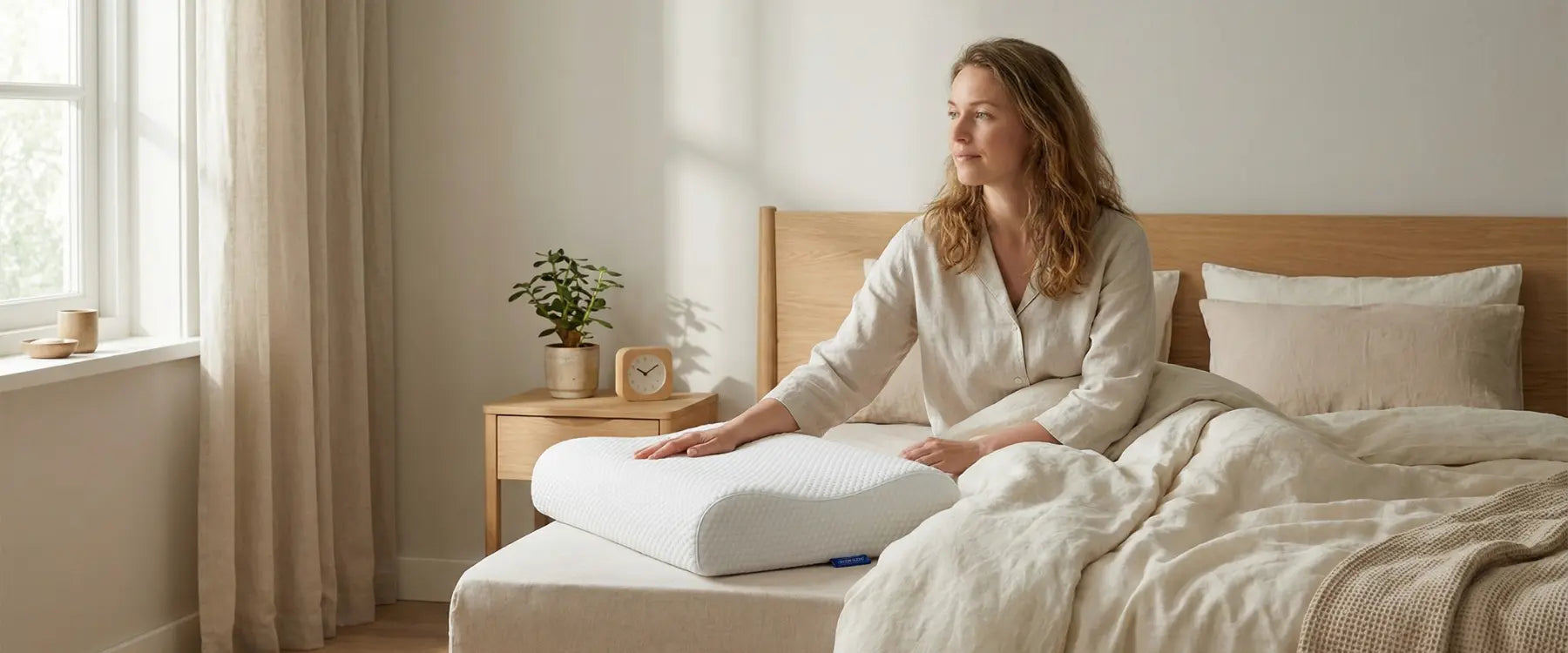
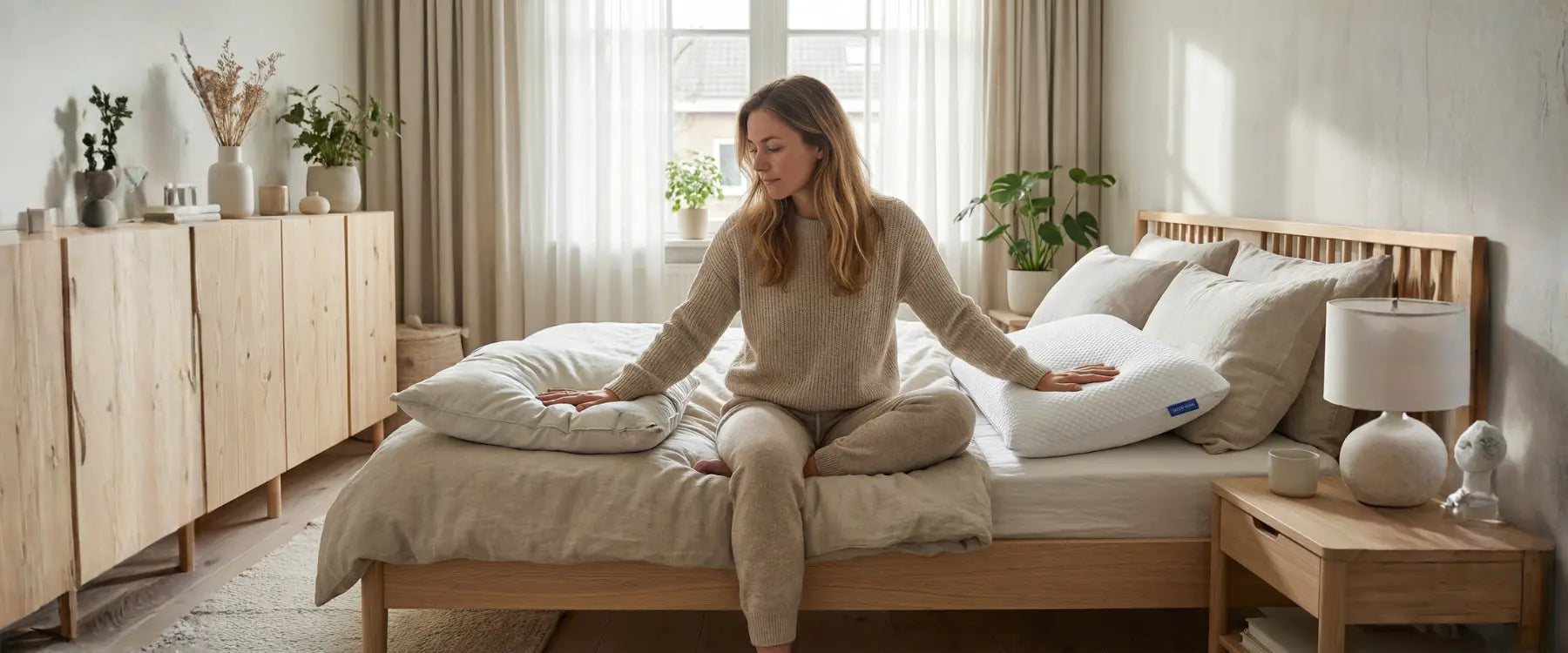
Yes. A pillow that supports proper alignment can make a noticeable difference in posture and comfort.
How Carissimi Bedding Supports Aging Well Through Sleep
At Carissimi Bedding, the focus is on long-term comfort, not quick fixes.
Our approach emphasizes:
-
Thoughtful support for natural alignment
-
Materials that maintain consistency over time
-
Sleep solutions designed to support real lifestyles
Supporting healthy sleep posture is one way we help people wake up feeling better—not just tomorrow, but years from now.
Aging Well Starts With How You Rest
Sleep posture quietly shapes how your body feels, moves, and recovers over time. By supporting your spine during sleep, you’re investing in comfort, mobility, and quality of life.
Small improvements made nightly can have lasting effects.