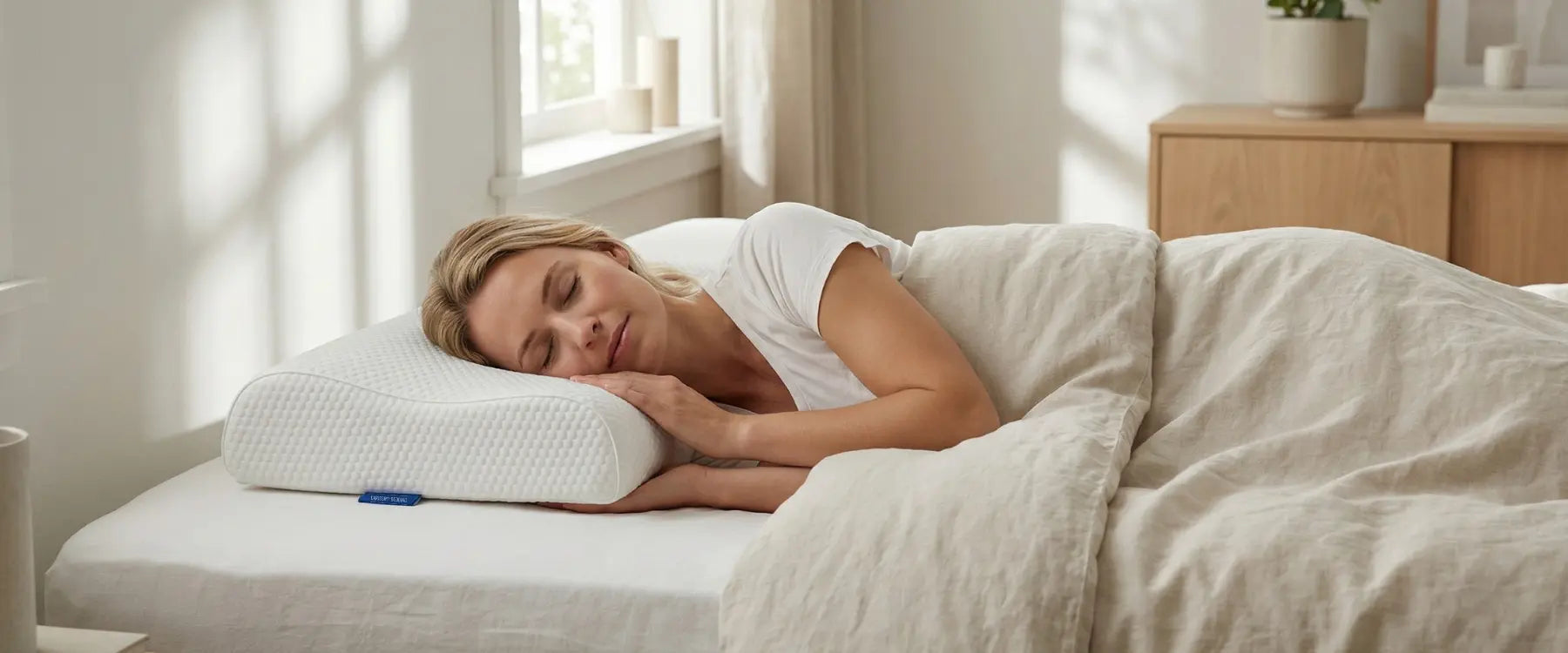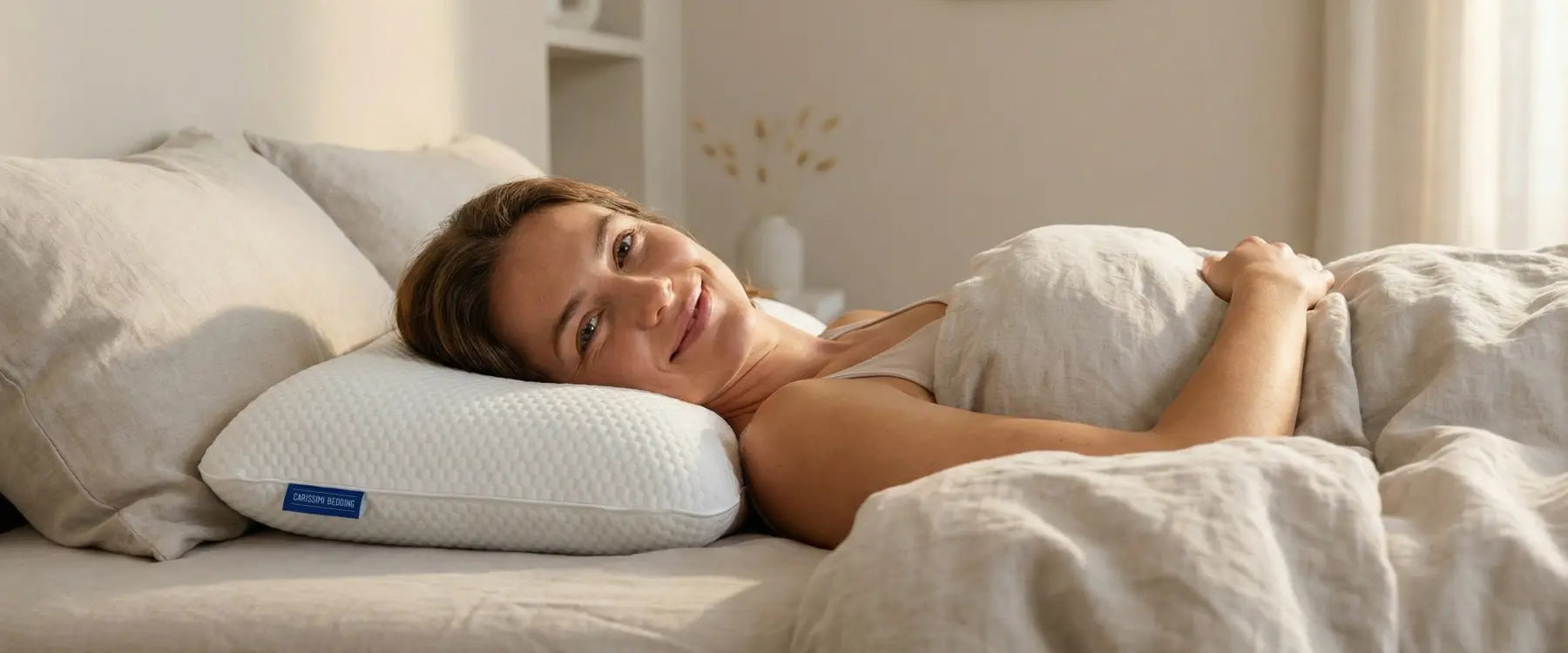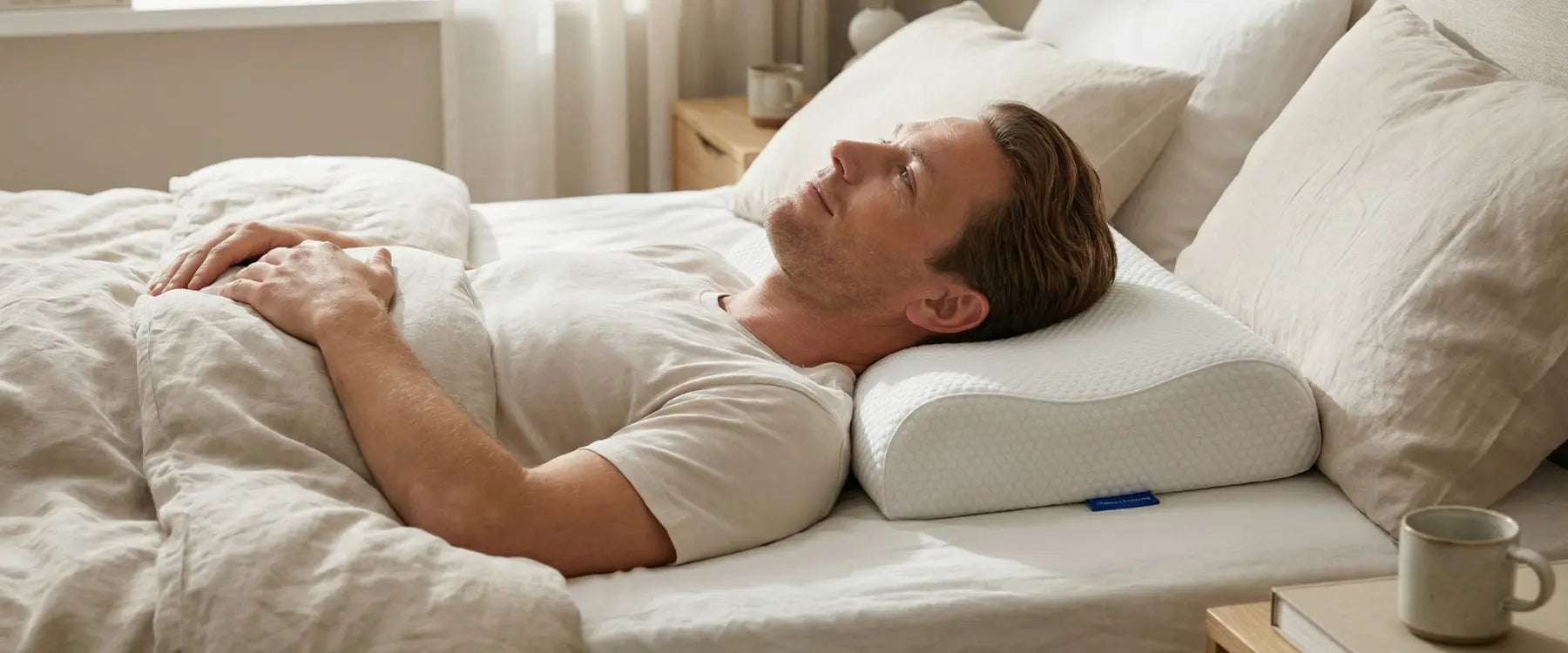
Getting eight hours of sleep should be enough—at least on paper. Yet many people wake up feeling groggy, unfocused, or already exhausted, even after a full night in bed.
If this sounds familiar, the issue may not be how long you sleep, but how well your body is able to rest and recover during those hours. In this Sleep Journal entry, we’ll explore why sleep quantity doesn’t always equal sleep quality—and what may be quietly interfering with truly restorative rest.
Sleep Duration vs Sleep Quality
Eight hours of sleep doesn’t guarantee deep, refreshing rest.
Sleep quality depends on:
-
How deeply you sleep
-
How often your sleep is interrupted
-
Whether your body can fully relax
-
How supported your posture is throughout the night
As we’ve explored in earlier Sleep Journal articles, subtle disruptions—especially physical ones; can prevent your body from reaching and staying in restorative sleep stages.
Micro-Awakenings You Don’t Remember
You don’t have to wake up fully to lose sleep quality.
Poor support, discomfort, or tension can cause micro-awakenings—brief interruptions that pull you out of deep sleep without conscious awareness.
Common causes include:
-
Tossing and turning
-
Neck or shoulder tension
-
Overheating or pressure points
-
Inconsistent support under the head and neck
Even if you sleep for eight hours, repeated interruptions can leave you feeling unrested.
Why Physical Comfort Matters More Than You Think
Sleep is when your muscles are supposed to relax completely. If your body has to “hold itself” in place due to poor support, rest becomes shallow.
As discussed in our posts on pillow support, sleep posture, and spine health, discomfort doesn’t always show up as pain—it often shows up as fatigue.
Your body may be working harder overnight than you realize.
Sleep Position and Hidden Fatigue
If your sleep position isn’t properly supported:
-
Neck muscles may stay slightly engaged
-
The spine may remain subtly twisted
-
Recovery becomes less efficient
Over time, this can lead to waking up tired even when sleep duration looks adequate.
This is why matching your pillow to your sleep position—and replacing it when support fades, can make such a noticeable difference.
Mental Rest Needs Physical Support
Sleep isn’t just physical, it’s neurological.
When the body is uncomfortable:
-
The nervous system stays more alert
-
The brain struggles to fully power down
-
Deep sleep stages are shortened
This can explain why people feel mentally foggy or emotionally drained after a full night’s sleep.
Why You Might Sleep Better Away From Home
Many people notice they feel more rested in hotels or guest rooms.
This often happens because:
-
The pillow height is different
-
Support feels more consistent
-
Posture is unintentionally improved
It’s not that your home sleep is “bad”, it’s that your setup may no longer match your current needs.
Small Changes That Can Improve Sleep Quality
If you’re sleeping long enough but still feel tired, consider:
-
Reassessing your pillow’s support and shape
-
Making sure your neck feels supported, not pushed
-
Checking whether your pillow still rebounds and holds its form
-
Paying attention to how often you adjust during the night
As explored throughout the Sleep Journal, comfort and alignment often need subtle updates over time.
Support That Helps Sleep Stay Deep
A well-designed pillow doesn’t force posture—it quietly supports it.
Pillows like the Carissimi Classic Pillow or Carissimi Original Pillow are designed to maintain consistent support through the night, helping reduce unnecessary movement and allowing the body to stay relaxed longer.
When sleep becomes more stable, energy levels often improve naturally.
Don’t Overlook Sleep Outside the Bedroom
Fatigue can also build up before you ever lie down.
Long flights, commuting, or sitting with poor support can strain the neck and shoulders, making it harder to fully relax at night. Supportive tools like the Carissimi Travel Mate Pillow can help reduce that carryover tension so sleep starts on a better foundation.
When Feeling Tired Is a Signal, Not a Failure
Waking up tired isn’t a personal shortcoming—it’s feedback.
Your body may be telling you:
-
Support has changed
-
Comfort has faded
-
Recovery needs attention
Listening early helps prevent fatigue from becoming the norm.
Better Sleep Isn’t Always About More Hours
If you’re already giving yourself enough time in bed, the next step is improving how your body rests during that time.
When sleep is supported properly:
-
Muscles relax more fully
-
Sleep stays deeper
-
Energy feels more consistent during the day
Sometimes, better sleep comes not from sleeping longer; but from sleeping smarter.