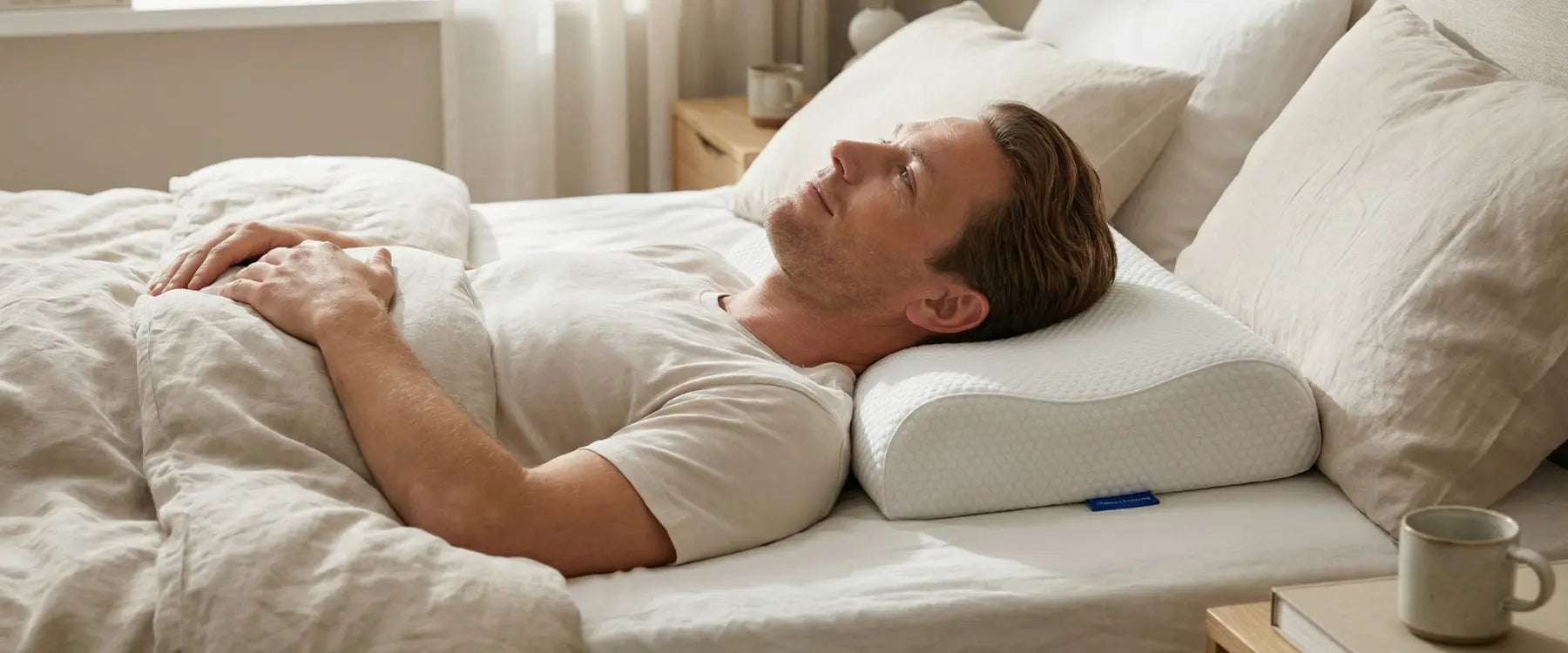
Sleep is one of the most powerful tools we have for protecting our health, maintaining energy, and supporting longevity. Yet, many people focus on sleep duration while overlooking a critical factor that directly affects sleep quality: the pillow.
At Carissimi Bedding, we believe better sleep starts with proper support. In this Sleep Journal entry, we’ll explore how the right pillow improves sleep quality, supports spine health, and plays a meaningful role in long-term wellness and longevity.
Why Sleep Quality Matters More Than Ever
Quality sleep is not a luxury—it’s a biological necessity. While you sleep, your body performs essential maintenance that affects nearly every system, from your brain to your immune response.
Poor sleep quality has been linked to:
-
Chronic fatigue and brain fog
-
Neck, shoulder, and back discomfort
-
Increased inflammation and stress
-
Reduced recovery and long-term health decline
One of the most common and fixable; causes of poor sleep quality is improper head, neck, and spine support.
What Happens to Your Body During Deep Sleep
Deep sleep is when the real restoration happens.
During this stage:
-
Muscles relax and repair
-
The spine decompresses after a full day of gravity
-
Hormones that support healing and aging balance are released
-
The brain clears metabolic waste that affects cognition and mood
If your pillow doesn’t properly support your head and neck, your body struggles to fully enter and sustain deep sleep—interrupting this vital process.
The Role of a Pillow in Sleep Quality
A pillow does far more than provide comfort. Its primary job is to support neutral alignment; keeping your head, neck, and spine in a natural position throughout the night.
When a pillow is too high, too flat, or lacks proper support:
-
Neck muscles remain engaged instead of relaxing
-
The spine twists or bends unnaturally
-
Sleep becomes lighter and more fragmented
Over time, this can affect both nightly rest and long-term physical health.
How Pillows Affect Neck and Spine Alignment
Your spine has a natural curve, especially in the cervical (neck) region. The right pillow helps maintain this curve whether you sleep on your side, back, or stomach.
Proper alignment:
-
Reduces pressure on joints and discs
-
Prevents stiffness and morning soreness
-
Allows muscles to fully relax overnight
Poor alignment, on the other hand, can contribute to chronic neck pain, headaches, and disrupted sleep cycles.
Choosing the Right Pillow for Your Sleep Style
Not all sleepers need the same type of pillow. Your preferred sleep position plays a major role in determining the support you need.
Side Sleepers
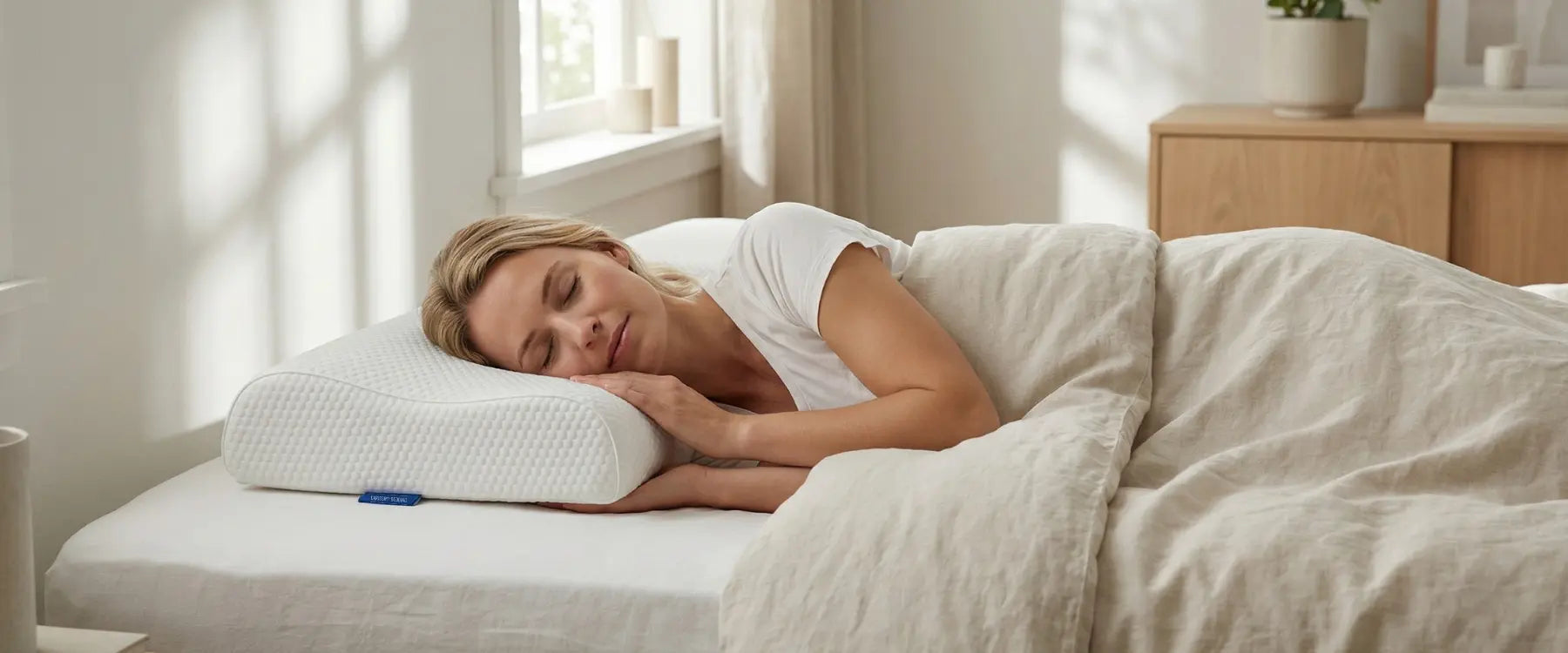
Side sleepers generally need a pillow with enough height and firmness to fill the space between the mattress and the head, keeping the spine straight.
Back Sleepers
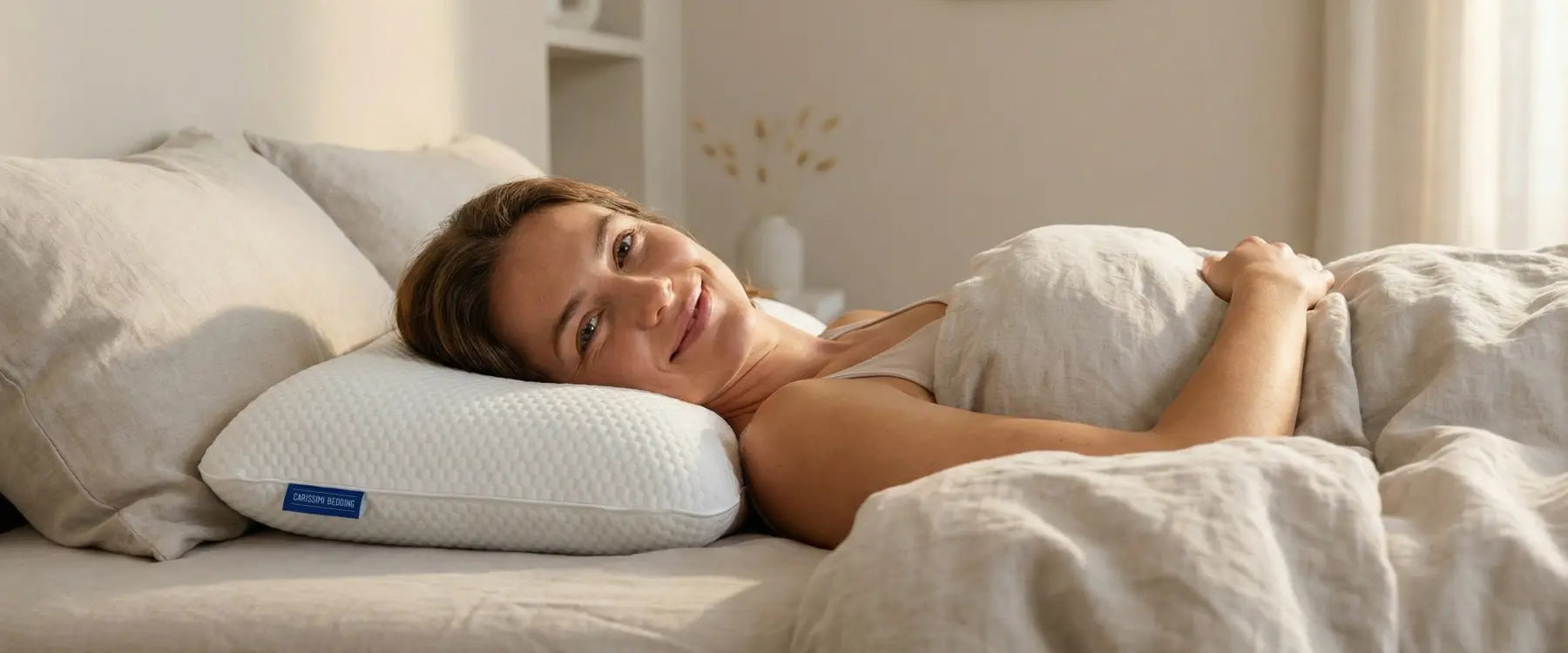
Back sleepers benefit from pillows that support the natural curve of the neck without pushing the head too far forward.
Stomach Sleepers
Stomach sleepers often do best with a softer, lower-profile pillow to minimize neck strain.
Combination Sleepers
Those who move throughout the night need a pillow that adapts easily and maintains support across positions.
Pillow Materials and Their Impact on Sleep
Material choice affects comfort, durability, and temperature regulation.
Common considerations include:
-
Responsiveness and pressure relief
-
Breathability and heat management
-
Long-term shape retention
A well-designed pillow balances softness and support while maintaining consistent performance over time.
Can the Right Pillow Support Longevity?
Longevity isn’t just about living longer, it’s about living better.
Chronic poor sleep has been associated with:
-
Increased inflammation
-
Reduced physical recovery
-
Cognitive decline over time
By supporting proper alignment and deeper sleep, the right pillow contributes to healthier aging, better daily function, and improved overall well-being.
Small nightly improvements compound over years.
Common Pillow and Sleep Questions Answered
How often should you replace your pillow?
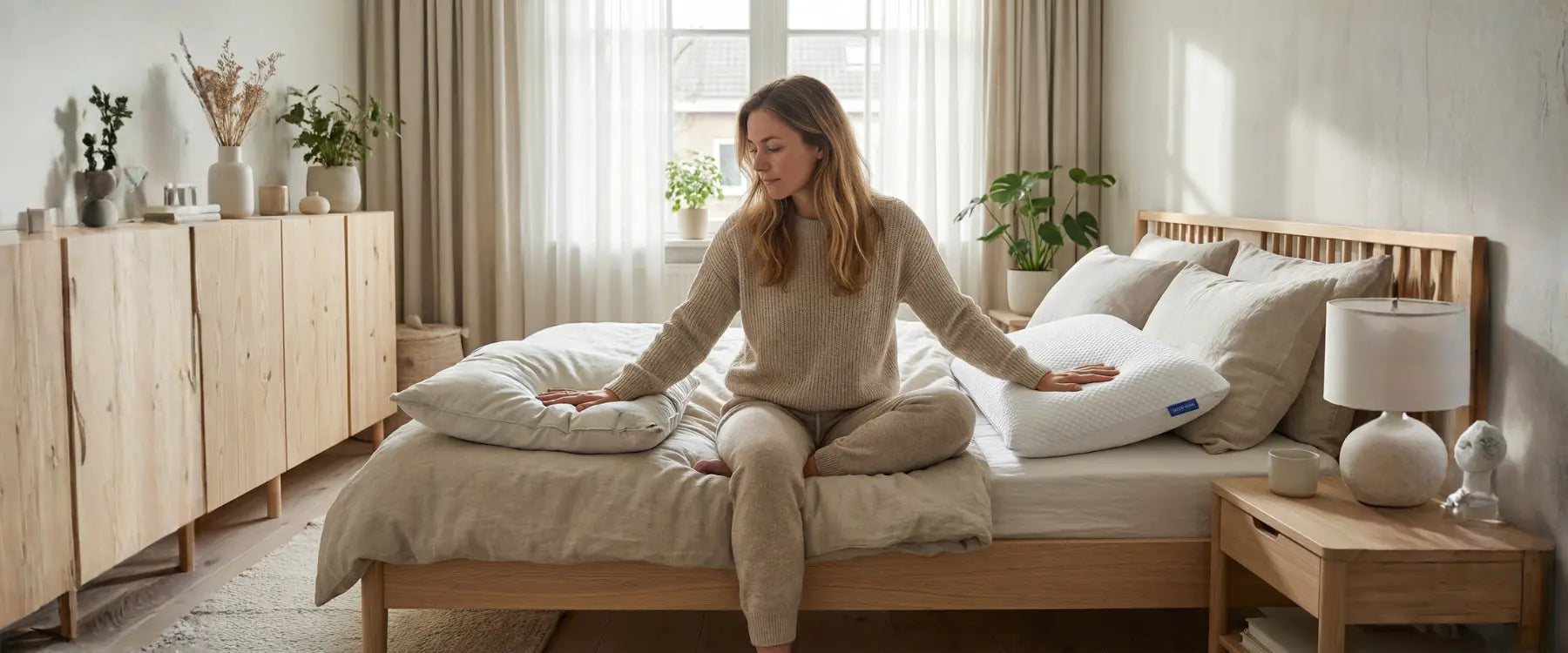
Most pillows should be replaced every 1–2 years, depending on material and wear. If your pillow no longer holds its shape or you wake up sore, it’s likely time for a replacement.
Can the wrong pillow cause neck pain?
Yes. A pillow that doesn’t support proper alignment can strain neck muscles and joints, leading to discomfort and disrupted sleep.
What is the best pillow for spine support?
The best pillow is one that keeps your head and neck aligned with your spine in your preferred sleep position.
Does pillow firmness affect sleep quality?
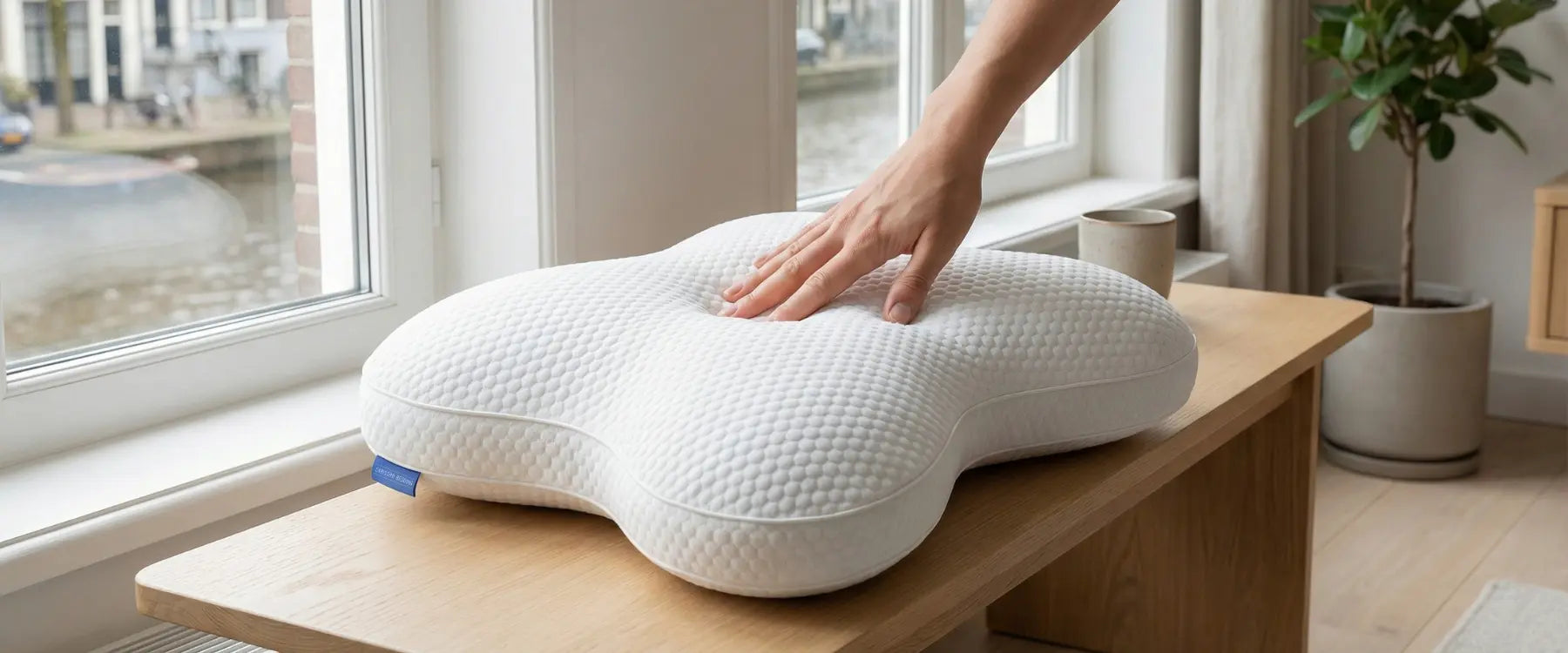
Absolutely. Too firm or too soft can both interfere with alignment and comfort. Balance is key.
How do you know if your pillow is hurting your sleep?
Signs include waking up with stiffness, frequent tossing and turning, headaches, or feeling unrested despite enough sleep time.
How Carissimi Bedding Approaches Better Sleep
At Carissimi Bedding, our philosophy is simple: sleep support should feel natural, not forced.
We focus on:
-
Thoughtful design that supports alignment
-
Quality materials that maintain comfort over time
-
Solutions designed for real sleep needs, not trends
Our goal is to help people wake up feeling restored; night after night.
Simple Tips to Improve Sleep Tonight
-
Adjust your pillow so your neck feels supported, not pushed
-
Keep your spine aligned with your mattress
-
Maintain a consistent bedtime routine
-
Reassess your pillow if your sleep needs or habits change
Sometimes, one small adjustment makes a meaningful difference.
Better Sleep Is an Investment in Your Health
Your pillow plays a far greater role in sleep quality, spine health, and longevity than many people realize. By choosing proper support, you’re not just improving tonight’s sleep—you’re supporting long-term wellness.
Better sleep isn’t about perfection. It’s about consistency, comfort, and giving your body what it needs to recover fully.