If you wake up with neck pain, frequent headaches, or feel tired despite getting enough hours of sleep, your pillow may be playing a bigger role than you realize.
Many sleep issues don’t start with stress or lack of sleep time, they start with poor overnight support. In this Sleep Journal entry, we’ll explore how the wrong pillow can contribute to neck pain, headaches, and disrupted sleep, and what to look for instead.
How a Pillow Affects Your Neck and Spine While You Sleep
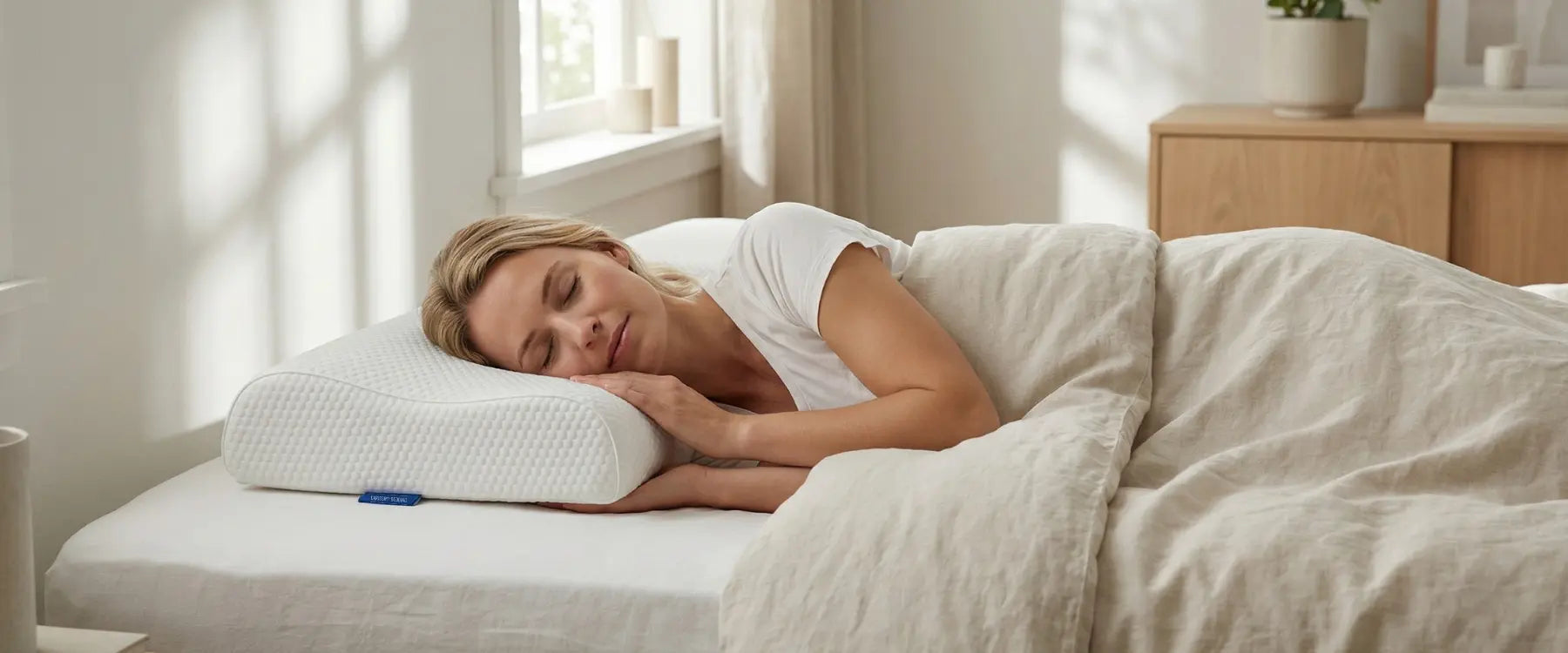
Your pillow’s primary job is to support your head so your neck and spine stay aligned throughout the night.
When alignment is off:
-
Neck muscles remain tense instead of relaxing
-
Joints and discs experience uneven pressure
-
Blood flow and nerve pathways can become irritated
As discussed in our previous Sleep Journal entries on pillow support and choosing the right pillow for your sleep position, alignment is foundational to quality sleep.
Can the Wrong Pillow Really Cause Neck Pain?
Yes; neck pain is one of the most common signs that a pillow isn’t working for you.
A pillow can cause neck pain if it:
-
Is too high, pushing the head forward
-
Is too flat, letting the neck collapse
-
Loses its shape during the night
-
Doesn’t match your sleep position
Over time, this strain can lead to stiffness, reduced range of motion, and discomfort that lasts throughout the day.
The Link Between Pillows and Headaches
Headaches that start in the morning or worsen after sleep are often linked to neck tension.
When a pillow fails to support proper alignment:
-
Neck muscles stay contracted overnight
-
Tension builds at the base of the skull
-
Nerves and blood vessels can become compressed
This type of tension headache often improves when neck support and sleep posture are corrected.
How the Wrong Pillow Disrupts Sleep Quality
Even if you don’t fully wake up, poor pillow support can cause micro-awakenings, small sleep interruptions that prevent deep, restorative sleep.
Common signs include:
-
Tossing and turning to get comfortable
-
Waking up feeling unrested
-
Light, fragmented sleep
As explored in our article on how the right pillow improves sleep, spine health, and longevity, consistent support helps the body fully relax and stay in deeper sleep stages longer.
Signs Your Pillow May Be Hurting Your Sleep
Your body often gives subtle clues when a pillow isn’t right.
Common warning signs:
-
Neck or shoulder pain upon waking
-
Morning headaches
-
Frequent pillow adjustments during the night
-
Feeling better sleeping away from home
-
Fatigue despite adequate sleep time
If these sound familiar, your pillow may no longer be supporting you properly.
Why Sleep Position Makes Pillow Problems Worse
Sleep position plays a major role in how pillow issues show up.
-
Side sleepers may experience neck bending if the pillow lacks height
-
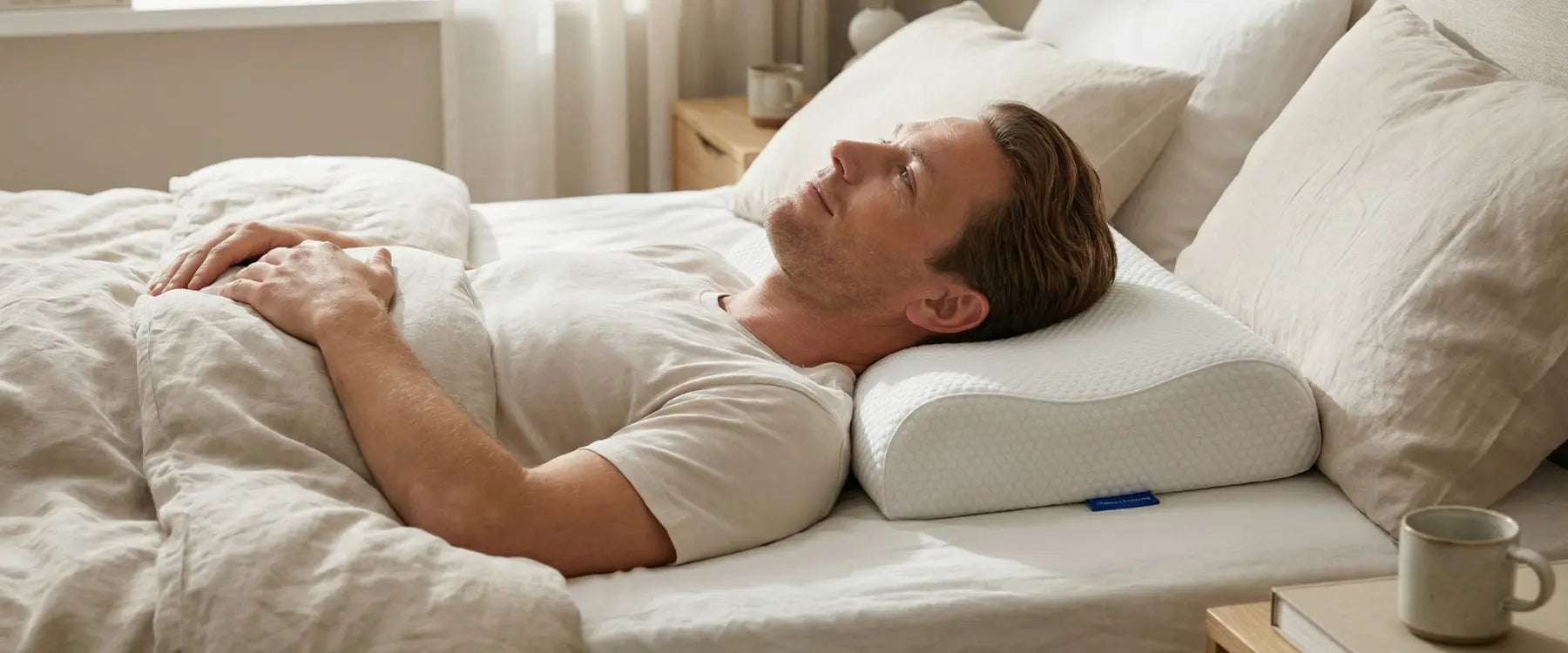
Back sleepers may develop strain if the pillow pushes the head forward
-
Stomach sleepers are especially vulnerable to neck rotation and tension
That’s why, as covered in our guide to choosing the best pillow for side, back, and stomach sleepers, one pillow does not work for everyone.
What to Look for in a Pillow That Reduces Pain
A supportive pillow should:
-
Keep your head aligned with your spine
-
Maintain its shape throughout the night
-
Match your preferred sleep position
-
Feel supportive without being rigid
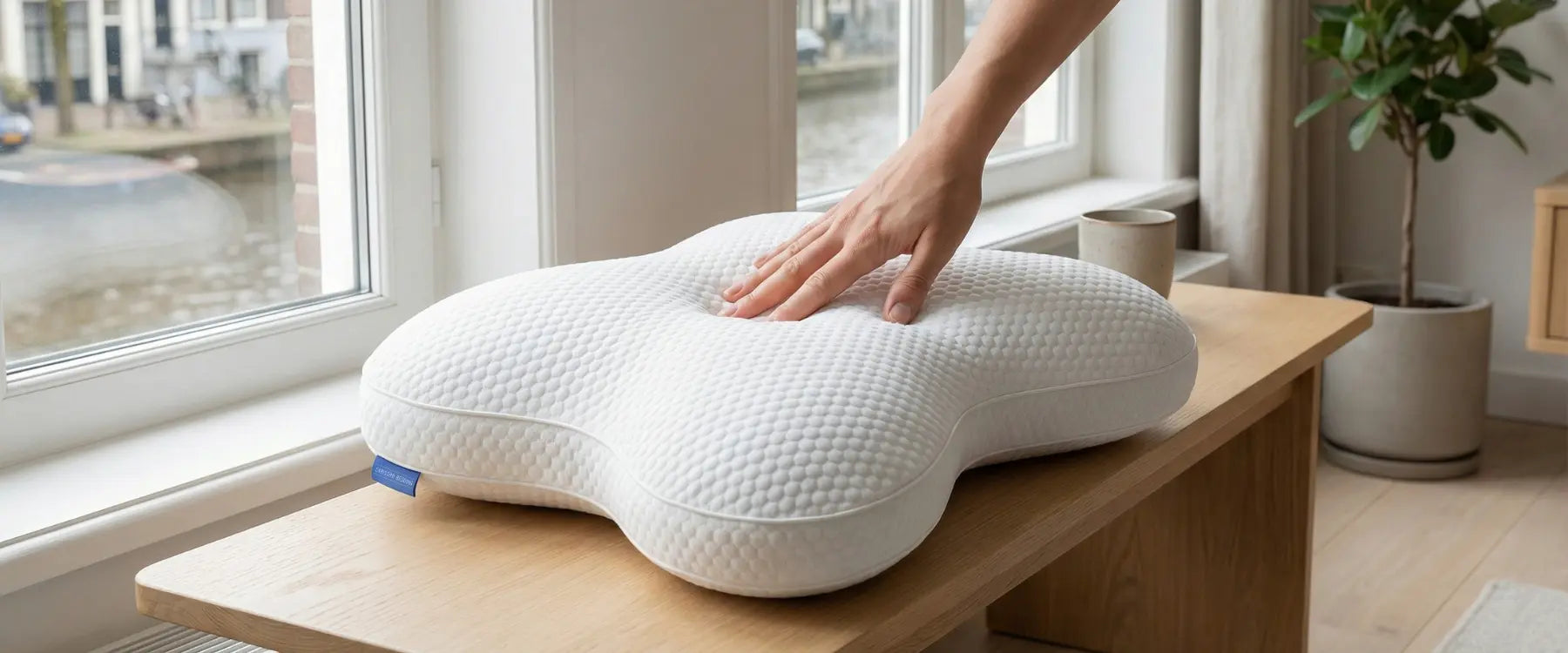
Pillows like the Carissimi Classic Pillow or Carissimi Original Pillow are designed to maintain consistent support, which can help reduce overnight strain when properly matched to sleep position.
What If You’ve Had the Same Pillow for Years?
Even high-quality pillows wear down over time.
As pillows age:
-
Support materials break down
-
Loft decreases
-
Alignment becomes inconsistent
If your pillow no longer holds its shape or feels different than it once did, replacing it may help relieve discomfort and improve sleep quality.
Don’t Overlook Sleep Outside the Bedroom
Neck pain and headaches can also start during travel or long periods of sitting.
Using a supportive option like the Carissimi Travel Mate Pillow can help maintain neck alignment while flying or commuting, reducing strain that carries over into nighttime sleep.
Common Questions About Pillows, Pain, and Sleep
Can changing my pillow really reduce neck pain?
For many people, yes. Improving alignment and support can significantly reduce overnight strain.
How long does it take to feel a difference with a new pillow?
Some people notice improvement within days, while others may take one to two weeks to adjust.
Is firm or soft better for neck pain?
Neither is universally better; it depends on your sleep position and how well the pillow supports alignment.
Why do I sleep better in hotels?
It’s often due to different pillow height or support that better matches your needs.
How Carissimi Bedding Thinks About Better Sleep
At Carissimi Bedding, the focus is on support that works with your body, not forcing it into position.
Our pillows are designed to:
-
Encourage natural alignment
-
Reduce pressure and tension
-
Support consistent, uninterrupted sleep
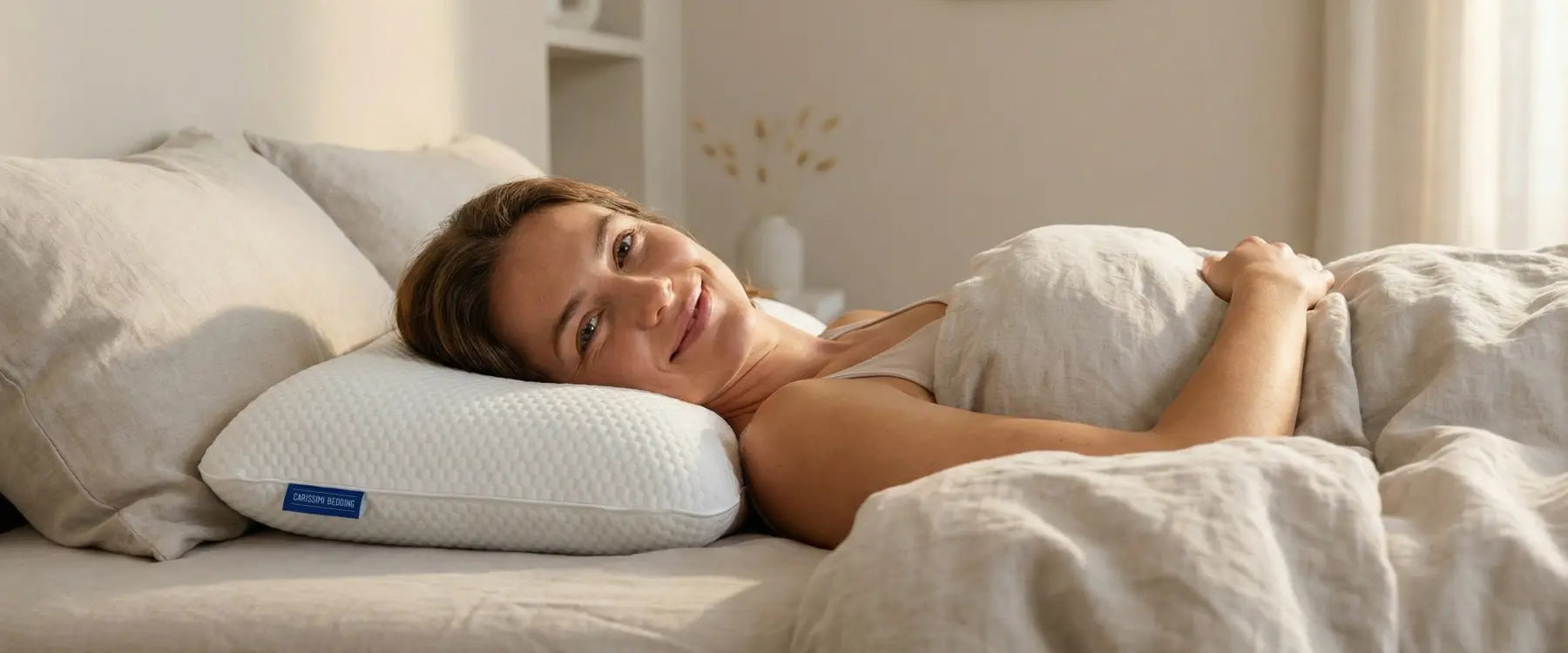
Better sleep often starts with better support.
Small Changes Can Lead to Better Sleep
If neck pain, headaches, or poor sleep have become part of your routine, your pillow may be worth reassessing.
Improving support doesn’t mean overhauling everything—it often means making one thoughtful change that allows your body to rest the way it’s meant to.